I didn’t really plan to “optimize” my laptop that day. It just kind of happened out of frustration.
You know that moment when your machine is technically working… but it feels tired? Like it’s carrying invisible weight? That was me, staring at my screen, waiting for apps to open while pretending I wasn’t slightly annoyed at a piece of metal and plastic.
And the funny part? A lot of the fixes were already inside Microsoft Windows itself the whole time. Just buried. Quiet. Almost like Windows expects you to suffer a little before you find them.
Startup apps that sneak in like uninvited guests
This one still gets me a bit. You install one small app for something random—maybe a PDF tool or a chat app—and next thing you know, it’s launching every single time your computer turns on.
Why? Who asked for that?
I went into Task Manager one morning, not even expecting much, and found a list that made me laugh a little. Half of it didn’t even look familiar. I turned off anything that didn’t need to be there and rebooted.
The difference wasn’t “wow new computer” level. It was more like… oh, this is how it was supposed to feel all along.
Background apps quietly eating your system alive
This part feels sneaky. Some apps just keep running in the background even when you’re not using them. Like they’re waiting. Watching. Doing who-knows-what.
I didn’t even notice until I checked settings and saw how many were active. Do I really need everything syncing, updating, refreshing, and notifying me at all times? Not really.
Turning a few of them off made the system feel lighter. Not dramatically faster, but less crowded. Like clearing random clutter off a desk you stopped noticing was messy.
Performance settings hiding in plain sight
There’s this power mode section that most people never touch. It just sits there quietly, usually set to “balanced,” which honestly feels like Windows saying, “let’s not try too hard today.”
I switched it once while working on something urgent and noticed the system actually responded quicker. Fans got louder though. It felt like my laptop suddenly had opinions about being pushed.
Still, I left it on. Speed over silence, at least during busy days.
Storage cleanup that feels like magic but isn’t
I used to think my storage was just “mysteriously filling up.” Like files were appearing on their own. Turns out Windows just keeps a lot of junk around.
Temporary files, old update leftovers, cached stuff… it adds up fast.
Storage Sense helped more than I expected. I turned it on and didn’t think about it again, which is kind of the best kind of tool—one that doesn’t ask for attention every five minutes.
Clipboard history is weirdly addictive

Press Windows + V. If you’ve never done it, try it once.
I didn’t expect to care about clipboard history. It sounded boring. But once I started using it, I realized how often I copy things and instantly lose them in the void.
Now I can pull back links, text, even random snippets I copied earlier without digging through everything again. It’s one of those features that quietly becomes part of how you work.
Visual effects that make things look good but feel slower
Windows likes animations. Fades, slides, smooth transitions… it looks nice, sure.
But on slightly older machines, it adds this tiny delay to everything. Nothing dramatic. Just enough to make the system feel less sharp.
I reduced a few effects—nothing extreme—and suddenly everything felt more direct. Less “show,” more “go.”
Search indexing that sometimes does too much
Search is supposed to be helpful. And it is. But indexing everything in the background can quietly use resources without you realizing it.
I trimmed it down to only important folders. Didn’t break anything. Didn’t lose search. Just made the system stop overthinking every file on my drive.
Virtual desktops for when your brain is doing too many things at once
I ignored this feature for a long time because it sounded unnecessary. Why not just use tabs?
Then I tried separating work and personal stuff into different desktops and it actually made sense. Not perfect, not life-changing, just less chaotic.
Sometimes your brain needs that small visual separation. One space for focus, another for everything else you pretend you’ll deal with later.
Advanced system settings that feel more intimidating than they are
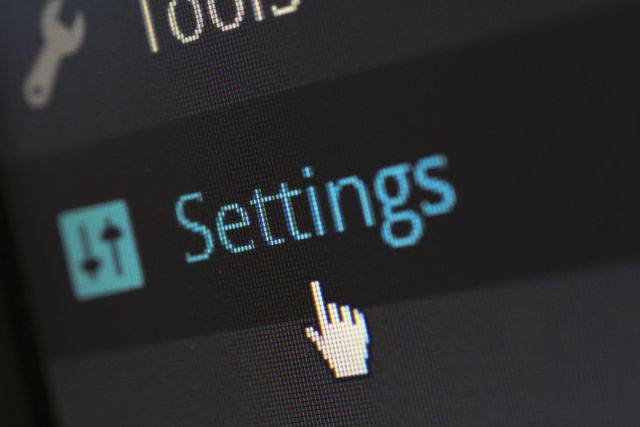
There’s a section deep inside Windows settings that looks like it’s meant for engineers only.
It’s not.
Things like performance options and memory settings are sitting there waiting to be adjusted. I didn’t touch everything, just a couple of small tweaks. Enough to stop unnecessary visual load.
Honestly, half the fear comes from how it looks, not what it does.
When everything comes together quietly
None of these settings individually feels like a breakthrough. That’s the thing.
But together? They change how Microsoft Windows feels day to day. Less waiting. Less clutter. Less of that random hesitation before apps open.
And maybe that’s the real trick. Not finding one big fix, but a bunch of small ones you only notice after the frustration disappears a little.