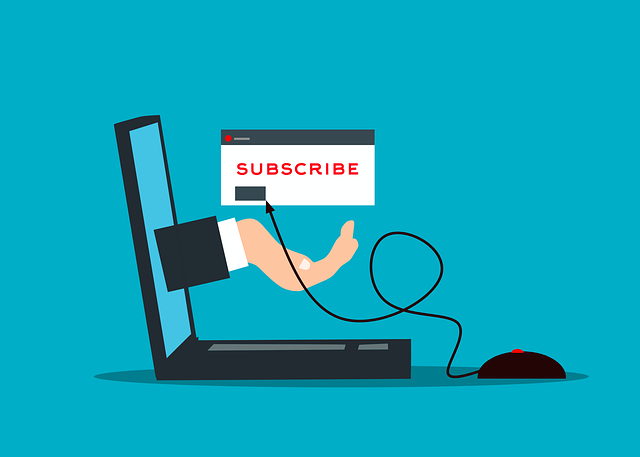
Software subscriptions are one of those things that quietly become part of your life before you even agree to it
I still remember the first time I opened my bank app and saw like five small charges I didn’t really think about anymore. Not because I’m careless, just… because they felt too small to care about individually.
That’s the trick, honestly. Subscriptions don’t hit you like one big expense. They sneak in like background noise. You only notice when you finally go, “wait… why is money leaving my account every month for this?”
So what is a software subscription, really?

A software subscription is basically renting an app instead of buying it once.
You pay monthly or yearly, and the app keeps working, keeps updating, sometimes keeps “improving” whether you asked for it or not.
It sounds clean on paper. But in real life, it changes how you relate to software. You’re always paying to keep access alive. If you stop paying, it just… disappears from your workflow like it was never there.
The weird part nobody really tells beginners
It’s not the big subscriptions that mess people up. It’s the small ones.
$2.99 here. $5.99 there. $9.99 for something you swear you’ll use “properly next month.”
Individually, they feel harmless. Like pocket change.
But together? They start stacking in a way that feels slightly uncomfortable when you finally notice the pattern.
Free trials are basically where most subscriptions start without you realizing it
You download an app. It says “7 days free.” You think, sure, why not.
Then life happens. Work gets busy. You forget the exact day the trial ends. And suddenly you’re paying for something you’re not even actively using anymore.
It’s not a scam. It’s just… designed in a way that assumes you’re paying attention all the time. And nobody really is.
Why everything moved to subscriptions anyway

This didn’t just happen for fun. Companies didn’t wake up one day and decide to annoy people.
Before subscriptions, you bought software once and kept it forever. That worked for a while. But updates, maintenance, and support became expensive over time.
Subscriptions fixed that problem for companies. Instead of one payment, they get steady income. That keeps the software alive and evolving.
But for users, it means you’re always renting access instead of owning anything permanently.
The “invisible commitment” problem
Here’s what makes subscriptions tricky: they don’t feel like commitments.
There’s no big moment where you decide “I will now spend money on this forever.”
It’s just… small agreements that repeat quietly in the background until you actively stop them.
And most people don’t stop them because nothing feels urgent enough to cancel.
Why canceling always feels more complicated than signing up
Signing up is usually one or two clicks.
Canceling? That’s where things get slightly annoying.
Not always intentionally difficult, but just… layered. Settings menus. Account pages. Confirmation screens. Sometimes even a “wait, are you sure?” moment that makes you pause.
And honestly, that pause is usually enough for people to just leave it running.
How people usually realize they have too many subscriptions
It’s rarely planned. It just happens in moments like:
— checking your bank statement and feeling confused
— trying to remember when you last used a paid app
— or realizing you’re still paying for something you don’t even have installed anymore
There’s always that slight pause like… “oh. I guess I forgot about that.”
A simple way to think about it without overthinking

Instead of asking “is this worth it?” every month, a better question is:
“If I stopped paying tomorrow, would I actually miss this?”
That one question cuts through a lot of unnecessary subscriptions without needing spreadsheets or budgeting tools or anything complicated.
And the answer is usually more honest than we expect.
Where it all lands in the end
Software subscriptions aren’t bad. They just require attention.
They work well when you actually use what you pay for. They become annoying when you forget they exist.
And most people aren’t really bad at managing them—they’re just busy, and subscriptions are very good at hiding in the background of busy life.