Technology Trends That Will Change How We Work (and honestly, they already have… we’re just catching up)
I keep hearing people ask what the “future of work” looks like, but the funny thing is — most of it isn’t future anymore. It’s already sitting on your laptop, in your apps, in that meeting you just left five minutes ago.
We just don’t always notice it until things feel… different. Slightly off. Faster. More automated. A bit less human in places you didn’t expect.
Anyway, here’s what’s actually shifting the way we work right now.
AI is no longer a tool — it’s becoming part of the workflow itself
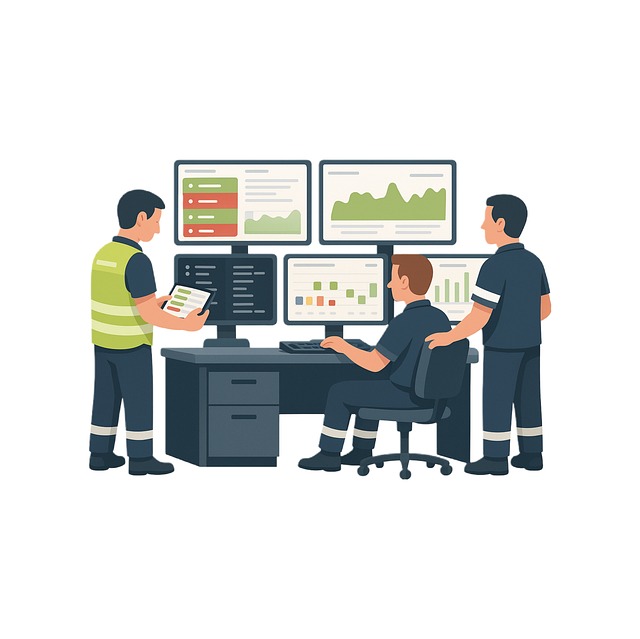
There was a time when AI felt like something you “used.” Now it feels more like something you work alongside.
You write a draft, it finishes it. You plan something, it suggests half the structure. You open a spreadsheet, and it already has insights waiting for you like it read your mind overnight.
It’s helpful, yes. But also slightly strange. Because the line between “what I did” and “what the tool did” is getting blurry.
And the real shift? People aren’t just learning tasks anymore. They’re learning how to guide systems that do tasks.
Work stopped being tied to place… and now it’s tied to presence
Remote work used to feel like freedom. Now it feels like expectation mixed with confusion.
Some companies want you online all the time. Others don’t care where you are as long as you respond fast. Either way, physical location matters less, but digital presence matters more.
It’s a weird trade. You gain flexibility, but lose some boundaries you didn’t realize were important until they disappeared.
Automation is quietly removing the “annoying parts” of jobs
This one is happening under the radar.
Repetitive work is fading away — formatting documents, sorting data, scheduling, basic reporting. The stuff nobody really enjoys but everyone just accepted as part of the job.
Now it’s being handled by tools. Which sounds amazing… until you realize the job didn’t get lighter, it just got different.
Because what’s left is decision-making, problem-solving, thinking. And that part doesn’t come with shortcuts.
Almost every job is slowly turning into a “tech-supported” job
This is one of those changes that doesn’t feel dramatic until you step back.
A nurse uses digital systems. A farmer checks mobile platforms for weather and pricing. A teacher uses AI tools to prepare lessons. A small business owner runs operations through dashboards that didn’t exist a few years ago.
So even if your job isn’t “tech,” the way you do it is becoming tech-heavy anyway.
And nobody really voted on that change. It just arrived.
Skills are becoming temporary, not permanent
This one feels a bit uncomfortable to say out loud.
Learning something used to feel like a long-term investment. Now it feels more like a cycle. Learn, use, update, repeat.
Tools change quickly. Platforms evolve. Entire workflows get replaced without much warning.
So staying relevant isn’t about mastering one thing forever — it’s about staying willing to adjust. Which sounds simple, but honestly takes a lot out of people over time.
Data is making more decisions than humans realize
We like to think we’re in control of decisions at work. But a lot of what gets prioritized, recommended, or even ignored is now shaped by data systems in the background.
What shows up first. What gets flagged. What gets automated. It’s all influenced by patterns most people never see.
And most of the time it works fine… until it doesn’t. And then you’re stuck trying to figure out why something happened the way it did.
Attention has become the real workplace battleground
This is probably the biggest shift that nobody really talks about enough.
It’s not just about tools or automation anymore. It’s about focus.
Notifications. Messages. Meetings. Updates. Pings that interrupt thoughts you were just starting to build.
Some days it feels like the hardest part of work isn’t the work itself — it’s holding onto a single line of thought long enough to finish it.
So what’s actually changing?
If you strip everything down, it’s this: work is becoming faster, more digital, and more dependent on systems that keep evolving whether we’re ready or not.
And people are adapting in real time. Sometimes smoothly. Sometimes not.
There’s no perfect version of this shift. Just ongoing adjustments, small frustrations, occasional breakthroughs, and a lot of learning on the fly.
And maybe that’s the most honest way to put it — work isn’t becoming something new all at once. It’s just slowly refusing to stay still.