you know that weird feeling when an app “just knows” what you’re thinking?
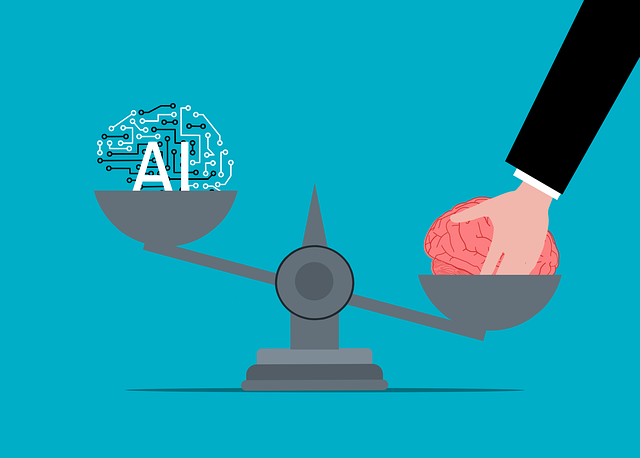 I swear this started hitting me properly one night when I was scrolling TikTok way too late (as usual, don’t judge). I hadn’t even searched anything, just watching random clips, and suddenly I’m seeing stuff I was literally talking about earlier in the day.
Not in a “wow technology is amazing” way.
More like… okay wait, how did that get here?
And that’s when I started noticing something a bit uncomfortable. Not scary exactly, just… sneaky. Like a lot of the apps we use every day are doing way more in the background than they ever admit out loud.
Instagram, WhatsApp, Google Maps, Spotify… even Gmail. They all have these little hidden AI behaviors that don’t feel like “features.” They feel like habits the app developed behind your back.
Let me try explain it the way I experienced it, not like some tech brochure.
instagram isn’t just showing you posts — it’s reading your attention like a mood ring
Instagram is probably the most obvious one once you start paying attention.
Ever pause for like half a second on a random post? Not even like it. Just hover. And suddenly your feed is full of that exact vibe for the next three days.
It’s not magic. It’s AI watching everything you hesitate on.
And honestly, that part annoys me a bit. Because sometimes I’m not “interested,” I’m just tired and staring blankly. But the algorithm doesn’t care. It goes:
“Oh you paused? You must love this. Here’s 20 more.”
Reels especially feel like they’ve got a mind of their own. I’ve had moments where I open the app for “just 5 minutes” and somehow end up deep in a niche I didn’t even know existed. Like cat grooming videos or people restoring rusty tools. Why is that even satisfying to watch?
It’s not random. It’s hyper-personalized prediction. Basically AI guessing what will keep you slightly more glued than the last thing.
And it’s weirdly good at it.
whatsapp is quieter, but it’s doing more than you think
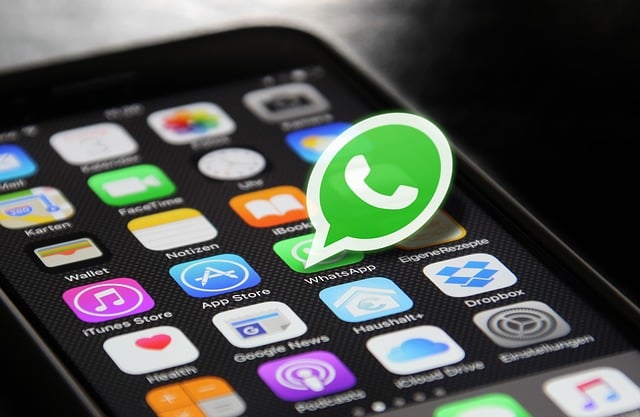
WhatsApp doesn’t feel like an “AI app,” right? It feels simple. Clean. Just messages.
But under the hood? It’s doing little things people don’t really talk about.
Like smart reply suggestions, message sorting in business chats, spam detection that sometimes catches messages before you even see them. And that “archived chats stay hidden” behavior? That’s also part of keeping your attention flow clean without you noticing.
I noticed something strange once: I kept getting suggested replies that sounded exactly like how I usually respond when I’m in a rush. Short. Slightly lazy. No punctuation.
And I thought… wait, that’s me? Or is that learned from me?
That line gets blurry fast.
google maps feels like it knows your routine better than you do
This one is lowkey creepy if you think about it too much.
Google Maps doesn’t just show directions anymore. It predicts your life patterns.
It’ll tell you “home is usually 12 minutes away at this time” even when you didn’t ask. Or it pops up like:
“You may want to leave now to avoid traffic.”
Excuse me? I didn’t even decide I was going anywhere yet.
But here’s the thing — it already knows where you usually go. Work, home, that one shop you always stop at for something small but unnecessary.
There was a day I left work earlier than usual and Maps still tried to route me like I was leaving at my normal time. It felt… off. Like the app assumed I couldn’t possibly change my own habits.
And maybe that’s the point. It learns your patterns so well that it starts predicting you instead of responding to you.
spotify is basically your emotional diary with better sound design
Spotify is one of those apps that feels harmless until you really think about it.
Discover Weekly? Daily Mix? Those aren’t random playlists. They’re AI models breaking down your listening habits like:
– what time you listen
– what mood your songs usually fall into
– what you replay when you’re stressed
– what you skip immediately
And somehow it builds playlists that feel oddly personal. Like it gets you on days when you don’t even get yourself.
I’ve had mornings where I open Spotify and it’s like:
“Here, you’re sad today. Let’s not pretend otherwise.”
And I didn’t even consciously pick anything sad. It just… inferred it from patterns.
Which is both impressive and a little unsettling if I’m honest.
gmail quietly filters your life without asking permission
People don’t talk about Gmail enough in this context.
The “Primary / Promotions / Updates” split looks harmless, but it’s actually AI deciding what your attention should focus on.
Sometimes I find important emails sitting in Promotions and I’m like… why is my bank update mixed with discount codes for shoes I looked at once at 2am?
And then I remember: the system isn’t thinking about importance the way I do. It’s thinking about patterns. Engagement. Likelihood.
It’s sorting your life based on behavior, not meaning.
That disconnect matters more than people realize.
so what’s actually going on underneath all of this?
Here’s the uncomfortable truth I keep circling back to:
Most of these apps aren’t just “helping” anymore. They’re learning.
Not in a sci-fi robot way. More like quiet pattern collection. Tiny decisions stacked over time until the app starts predicting you better than your friends do.
And the scariest part isn’t that it’s happening.
It’s that it feels normal now.
We barely notice it unless something glitches or feels slightly “too accurate.”
I still use all these apps, obviously. It’s not like there’s a dramatic escape plan here. Life doesn’t work like that.
But I do catch myself sometimes pausing before I click things, just to ask:
“Did I choose this… or did it choose it for me?”
And yeah, that question probably sounds dramatic. Maybe it is.
Still worth asking though.