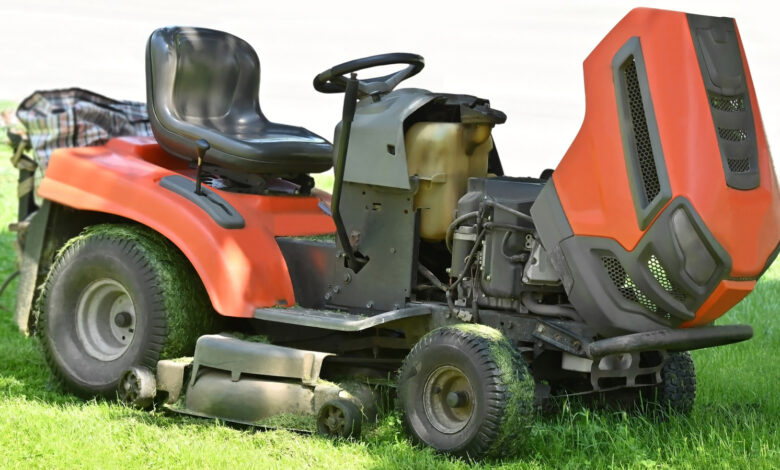
How to Clean a Riding Lawn Mower with a Hose Without Damaging Critical Components
Maintaining a riding lawn mower requires far more than routine mechanical upkeep like changing the oil, sharpening blades, and servicing air filters. Keeping the chassis and mower deck free of accumulated dirt, mud, and grass clippings is equally vital to preserving the equipment’s operational lifespan. Over time, organic debris packed underneath the deck or against moving parts increases physical stress on mower components, leading to premature wear and degraded cutting performance. While some manufacturers recommend cleaning the machine before and after every use, executing this task safely requires a clear understanding of where water can—and cannot—be applied.
Although using a standard garden hose offers an efficient way to remove stubborn buildup across the machine, improper washing techniques risk severe damage to delicate engine components and electrical systems. Safe cleaning methods vary significantly depending on whether the riding mower relies on a traditional gasoline engine or a battery-powered drivetrain. Following precise preparation steps and understanding the mechanics of deck washout systems ensures the machine remains clean without compromising its mechanical integrity.
Essential Preparation Steps Before Washing
Before introducing any water to a riding lawn mower, proper preparation is necessary to protect both the operator and the machine. Washing should always take place on a flat, stable surface, preferably a concrete driveway or hard pad. Parking on an incline or uneven turf increases the risk of instability during cleaning, especially if the machine must be elevated to access the underside of the cutting deck.
Timing is another critical factor during preparation. Operators must allow the engine and surrounding mechanical parts to cool down adequately before applying water. However, delaying the cleaning process for too long presents its own challenges. If wet grass clippings remaining on the underside of the metal deck are left to dry completely, they harden into a dense crust that adheres strongly to the metal surface, making removal significantly more difficult later.
Prior to turning on a hose, dry cleaning methods should be used to remove loose debris. Using a stiff broom or hand brush to sweep away dry grass, leaves, and surface dirt from the top of the deck, body panels, and footrests reduces the overall amount of mud created during the wet washing process and prevents loose matter from being forced into tight mechanical crevices.
Gasoline vs. Battery-Powered Cleaning Protocols
The internal components of a riding lawn mower dictate how water should be applied during cleaning. Gasoline models tolerate surface washing across external body panels, whereas battery-powered units require far more stringent moisture controls to avoid damaging sensitive electronic controllers and battery cells.
Gas-Powered Riding Mowers
For a standard gasoline-powered mower, a conventional garden hose can be used to rinse dirt and grass clippings from the exterior body work and framework. However, direct water streams must be strictly directed away from sensitive engine regions. Operators should never spray water toward or directly onto the spark plug, ignition socket, air filter intake, oil filter, electrical wiring harnesses, or the battery.
If these sensitive engine zones accumulate heavy dirt or dust, water should be avoided entirely. Instead, operators should rely on dry cleaning tools such as a soft brush, a hand broom, or a leaf blower to clear away residual grime without introducing moisture to critical intake and electrical points.
Battery-Powered Riding Mowers
Battery-powered riding mowers demand extreme caution regarding water exposure. High-volume water from a garden hose or pressurized streams can penetrate electronic seal points, leading to short circuits or permanent electrical failure. Consequently, operators should never use a hose or pressure washer to spray down the body panels, seating area, or battery housing of an electric mower.
To clean the upper chassis and exterior panels of a battery-powered unit, use a manually dampened towel or a soft brush, taking care to completely avoid the battery compartment itself. Washing with a hose is restricted almost exclusively to the underside of the cutting deck, and even then, only after placing the machine into its designated service mode in accordance with manufacturer guidelines.
Evaluating Pressure Washer Usage
The temptation to use a high-pressure washer to quickly blast away hardened grass buildup is common, but it carries substantial risk. Before using any pressure washing equipment on a gas-powered riding mower, operators must consult their specific owner’s manual, as several manufacturers explicitly advise against pressure washing altogether due to the risk of forcing water past mechanical seals and bearings.
If a pressure washer is permitted by the manufacturer, it must still be kept entirely away from the engine bay, wiring, air filters, and controls. The force generated by pressurized water can strip away protective coatings, dislodge small electrical connections, or force water into internal engine cavities. The primary acceptable application for a pressure washer is dislodging heavy, caked-on grass clippings from the mower blades and the interior lining of the cutting deck after the machine has been safely turned off and raised for access.
Gasoline vs. Battery Mower Cleaning Guidelines
| Cleaning Area / Feature | Gasoline-Powered Mowers | Battery-Powered Mowers |
|---|---|---|
| Exterior Body Panels | Garden hose rinsing permitted; avoid engine area | Use damp cloth or brush only; avoid hose spraying |
| Engine / Battery Zone | Dry clean only using brush or leaf blower | Avoid entirely; clean nearby panels with damp cloth |
| Pressure Washer Safety | Deck only (if approved by manufacturer manual) | Not permitted across body or electronic components |
| Under-Deck Cleaning | Hose wash or washout port activation permitted | Hose allowed under deck only in official service mode |
Utilizing Built-In Mower Deck Washout Ports
Many modern riding lawn mowers feature a dedicated hose attachment port, commonly referred to as a washout port, located directly on the upper surface or side of the mower deck. This feature simplifies deck maintenance by allowing operators to clean the underside of the deck immediately following a mowing session before wet grass clippings can dry and harden against the metal interior.
Step-by-Step Washout Port Operation
- Select an Appropriate Location: Park the mower on a level section of lawn or driveway. Because the washout process ejects a substantial volume of dirty water and wet grass pulp through the discharge chute, position the machine so the chute faces away from nearby vehicles, house walls, or garage doors.
- Attach the Hose: Connect a standard garden hose to the deck’s washout port using the correct quick-connect nozzle or threaded adapter, ensuring the connection is securely locked into place.
- Initiate Water Flow: Turn on the water supply fully at the faucet before starting the mower engine.
- Engage the Cutting System: Sit securely in the operator’s seat, start the engine, and engage the cutting blades just as if beginning a mowing pass. The high-speed rotation of the blades creates a violent water spray beneath the deck, effectively scouring away accumulated grass and dirt buildup. Consult the owner’s manual to determine if lowering the deck height during this process is recommended for your specific model.
- Conclude the Rinse: Monitor the runoff exiting the discharge chute. Once the discharged water runs clear of green grass pulp and mud, disengage the cutting blades, shut down the engine, and turn off the water supply at the faucet.
Operational Limits of Washout Ports
While deck washout ports offer a quick and effective method for interior deck cleaning, operators must recognize their functional limitations. The water introduced through a washout port is confined strictly to the underside of the cutting deck casing. It does not clean grass pulp pressed onto the mower tires, nor does it address clippings, dust, and chaff that collect on top of the deck housing or around pulley covers. These exterior areas still require manual clearing using a hand brush, leaf blower, or soft towel to ensure complete machine maintenance.
Preserving Equipment Value Through Proper Maintenance
Integrating safe, systematic cleaning routines into regular equipment maintenance significantly prolongs the working life of a riding lawn mower. Allowing decaying organic debris to sit in persistent contact with metal mower decks accelerates corrosion and rust, while clogged decks disrupt the aerodynamic airflow required for clean grass discharge and efficient bagging. By understanding the distinct moisture tolerances of gas and electric models, avoiding high-risk water exposure near vulnerable engine parts, and using deck washout ports correctly, owners can maintain peak machine performance season after season.