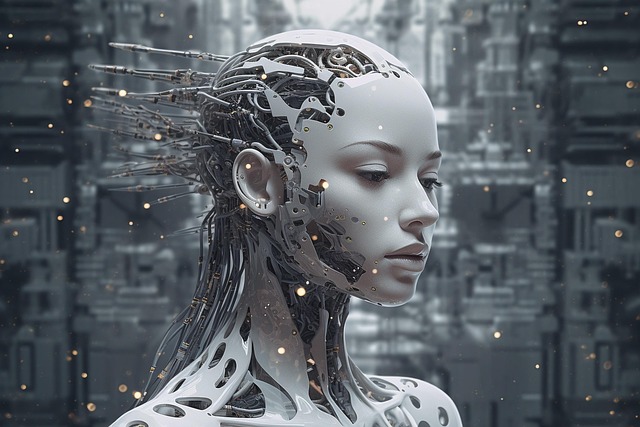
People keep asking me what AI is going to do next… honestly I don’t think anyone fully knows
I was in a café the other day, just scrolling on my phone, half-working, half-distracted like usual, and I overheard two guys arguing about AI tools replacing jobs. One of them was super confident — like “yeah bro, designers are done.” The other just kept shaking his head like he’s heard this story too many times before.
And I don’t know… I sat there thinking, everyone’s talking like the future is some clean, obvious roadmap. It’s not. It feels more like when you’re trying to cross a road in Kampala traffic — you’re watching, guessing, moving a bit, stopping again. That kind of uncertainty.
But one thing is clear: AI tools are not slowing down. And the people who learn how to use them properly? Yeah… they’re going to move differently in the next few years.
Knowing how to “talk” to AI is becoming a real skill (weird but true)
This still sounds funny to say out loud. “Talking to AI as a skill.” But it is.
I remember the first time I used a writing AI tool properly. I just typed random instructions like I was chatting with a friend who doesn’t really get me. The output was… okay. Nothing special. Honestly a bit disappointing.
Then someone showed me how to actually guide it — not just “write a blog about X” but breaking it down, adding tone, context, even mood. The difference was wild. Same tool. Completely different result.
And that’s where things are heading. People who can explain what they want clearly — even in messy human language — are going to get better results than people who rely on perfect technical skills.
Funny twist, right? Communication is becoming technical again.
You don’t need to be a coder, but you do need to stop being scared of tools
Let me be honest. A lot of people still hear “AI tools” and instantly think it’s for tech guys in hoodies typing code in dark rooms.
Not really anymore.
Most AI tools now are like apps you already use. Some are for writing, others for design, some for video, even planning your day if you let them. The barrier is not intelligence. It’s just willingness to click around and not panic when things look unfamiliar.
I’ve seen people avoid tools just because the interface looked “too techy.” Then a week later, they’re still doing everything manually and complaining about being overwhelmed. I get it though… new things can feel annoying at first.
But that discomfort? That’s basically the entry fee now.
The real skill nobody talks about: judgment
AI can give you ten answers in two seconds. The problem is… most of them will sound good.
And that’s where things get tricky.
I’ve made this mistake before — trusting the first clean answer and running with it. Later I’d realise it was slightly off, or missing context, or just… too generic. Not wrong enough to notice immediately, but not right enough to actually rely on.
So now I spend more time judging output than generating it. That sounds backwards, but it’s true.
You start asking yourself: does this actually make sense? Does it feel real? Or is it just polished noise?
That kind of thinking — a bit skeptical, a bit slow — is quietly becoming one of the most important skills.
People underestimate how messy creativity is going to get

There’s this idea floating around that AI will “replace creativity.” I don’t buy that.
If anything, it’s making creativity messier… in a good way.
Now you can generate ideas faster than you can organise them. You can test ten directions before you even finish your coffee. But that also means you end up with more clutter in your head. More options doesn’t always mean more clarity.
I’ve had days where I open an AI tool, try five different prompts, get five decent outputs, and end up more confused than when I started. Because now I don’t know which direction feels “right.”
That’s the new problem: not lack of ideas, but too many half-good ones.
The skill that quietly wins: learning how to learn again

This one sounds a bit vague, I know. But stick with me.
Every time a new AI tool drops, there’s that small learning curve. Buttons change, workflows shift, features appear overnight. And the people who adapt quickly aren’t necessarily smarter — they’re just more comfortable being beginners again.
That’s it.
No big secret. Just less ego around “I should already know this.”
I’ve noticed older habits slow people down here. The idea that once you learn a skill, you’re done. But with AI tools, nothing stays still long enough for that to be true anymore.
So what actually matters going forward?
If I had to strip it down — and I mean really strip it down after all the noise — it’s this:
You don’t need to chase every new tool. You’ll burn out doing that.
But you do need to get comfortable with:
- figuring things out without instructions
- asking better questions (not just faster ones)
- checking outputs instead of blindly trusting them
- and being okay with not feeling “expert” all the time
That last one is underrated. Nobody really talks about how often you’ll feel slightly behind now. It’s normal.
And maybe that’s the part I keep coming back to — not the tools themselves, but the mindset shift they force on people. It’s less about “AI taking over” and more about people learning to move differently in a system that keeps updating itself.
Some days it feels exciting. Other days it just feels like too much. Both can be true at the same time.